
In paper puzzle manufacturing, missing or extra pieces remain one of the most common quality issues affecting product usability, customer satisfaction, and return rates. For importers, brands, and retailers, this problem is closely related to production workflows, packaging methods, and category-specific manufacturing standards. Since children’s puzzles and adult puzzles involve different structures, piece counts, and handling requirements, manufacturers typically apply separate quality control procedures for each category. This article explains the key production stages where piece control issues occur and the quality management methods commonly used to reduce them.
1.Children’s Puzzles (Features :Low Piece Count, Large-Size Pieces, High Safety Standards)
Children’s puzzles are mainly designed for toddlers and young children, commonly available in low-piece specifications including 6, 12, 24, 48, and 100 pieces. They are characterized by large individual pieces, thick paperboard, minimal cutting waste, mass standardized production, and stringent safety requirements. Piece errors in children’s puzzles mainly result from assembling by hand, manual piece separation, and poor packaging sealing. Therefore, quality control efforts are typically focused on two key stages, with standardized procedures designed to improve process consistency, and reduce the risk of missing or extra pieces.
1.1 Custom Die Mold: Eliminate Connected Pieces at the Source
Children’s puzzles adopt thick paperboard and large piece sizes. General-purpose die molds often suffer from insufficient cutting pressure, residual fiber adhesion at the edges, and incomplete penetration, leaving partially connected pieces that cause false missing pieces or produce debris after forced separation, resulting in extra pieces. To solve these problems, manufacturers typically use dedicated die molds for children’s puzzles with adjusted blade layouts and cutting depth settings. The molds are designed for thick paperboard cutting requirements. A balanced zoned pressure structure ensures full penetration on all sides of each piece with no fiber connection or edge residue. With built-in anti-wear and anti-deviation positioning structures, dedicated molds help maintain cutting consistency during high-volume production, fundamentally eliminating piece quantity deviations caused by die-cutting defects.
1.2 Standardized Manual Piece Separation Process
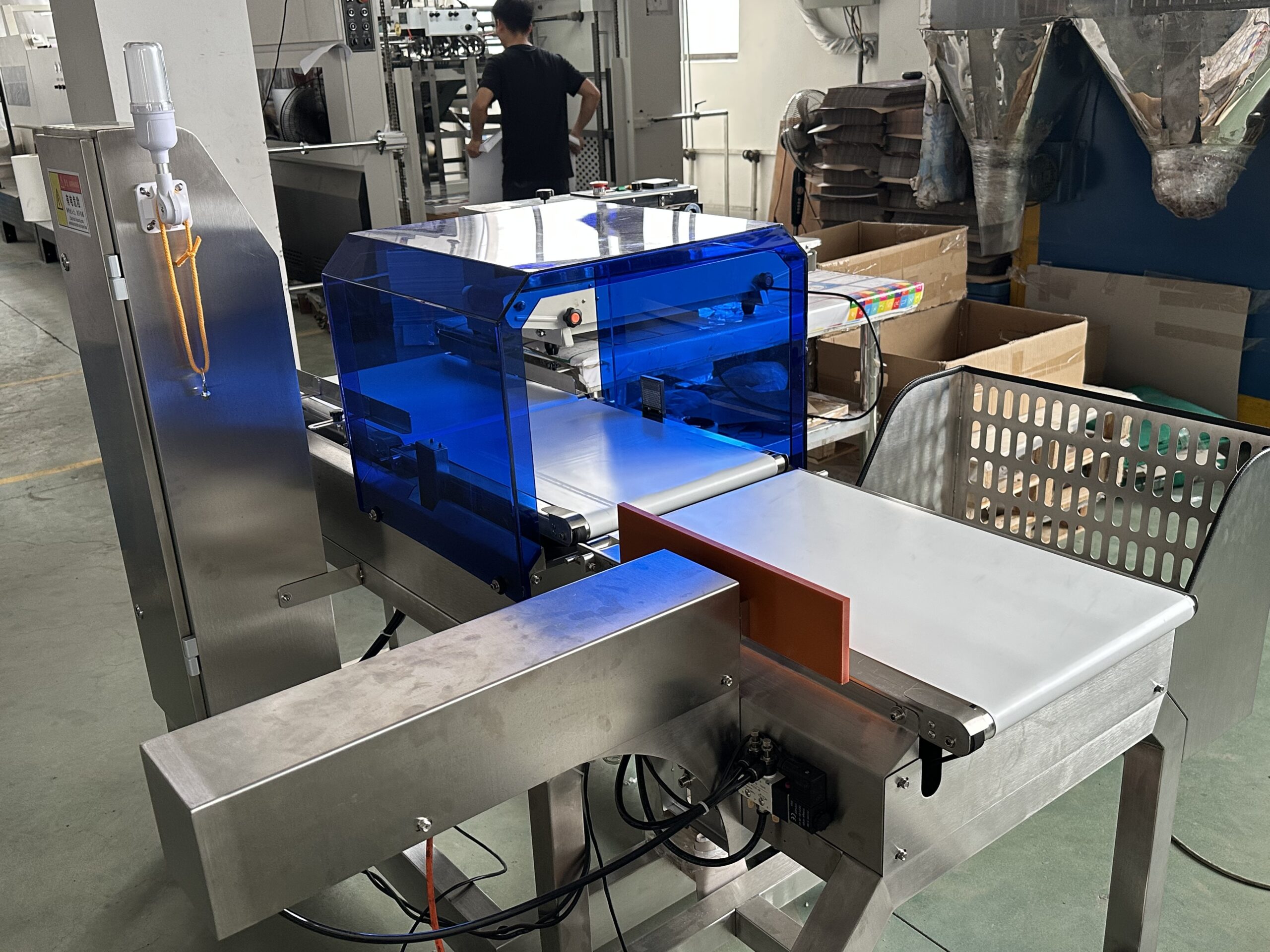
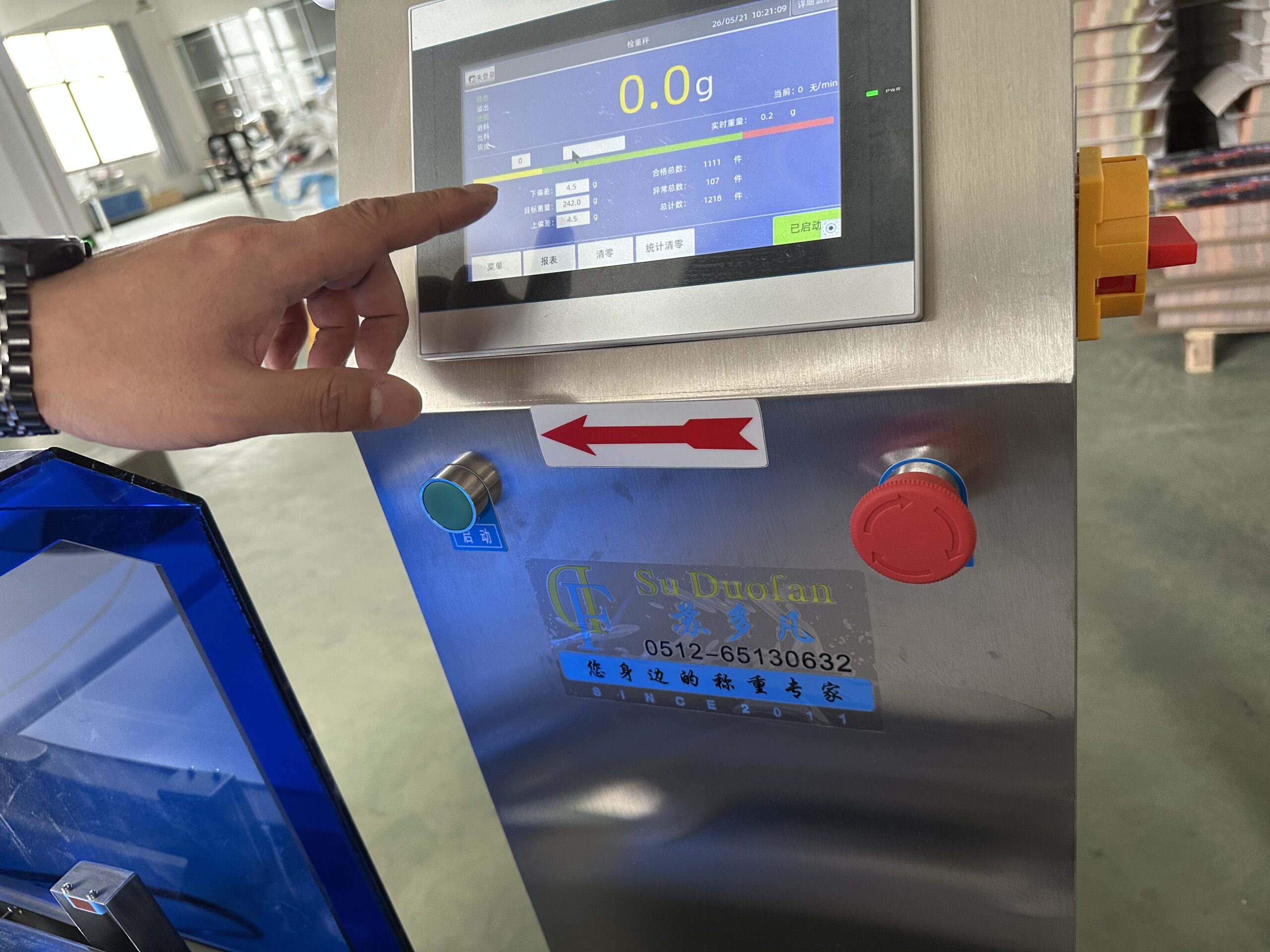
Unlike fine adult puzzles, large-sized children’s puzzle pieces cannot be scattered by automatic vibrating equipment. Mechanical high-frequency scattering will easily bend and damage the sharp corners of large puzzle pieces, causing irreversible appearance defects and disqualifying the products. For this reason, manufacturers often use manual scattering methods for children’s puzzles. However, piece quantity errors frequently occur due to inconsistent worker proficiency and irregular manual operation habits, which are the primary cause of missing and extra pieces for kids’ puzzles. To eliminate human-induced errors, manufacturers have formulated a complete standardized manual scattering control system. During operation, the working table is kept completely clean and free of any residual puzzle pieces, paper scraps, or foreign fragments to avoid mixing extra pieces. Workers fully scatter one complete set of puzzles and place all pieces into the packaging bag before processing the next batch. After bagging, staff must conduct a full desktop inspection to confirm no pieces are left behind. Finally, every finished bag is verified by high-precision weighing instruments to ensure the entire set of puzzles is completely loaded, fundamentally solving piece errors caused by manual scattering.
1.3 Process Sealing Inspection Mechanism
Defective bag sealing is another major cause of missing and extra pieces for children’s puzzles. Unstable heat-sealing temperature during mass production often leads to incomplete sealing, tiny pinholes, and unsealed gaps at the bag corners. Large children’s puzzle pieces can easily slip out through these small openings during transportation, handling, and packaging turnover, resulting in missing pieces; meanwhile, external scraps may enter through gaps and cause extra piece defects. To control sealing risks, manufacturers implement standardized frequency-based process inspection for all packaging procedures. Regular inline checks effectively narrow the scope of potential batch defects and avoid large-scale quality problems. Once incomplete sealing, pinholes, or temperature abnormalities are detected, the corresponding products are immediately isolated and quarantined to control the problem within the smallest range. Combined with high-precision weight detection, manufacturers can accurately screen out all defective products with sealing-induced piece errors, ensuring zero faulty shipments.
1.4 Precision Instrument Testing
Because of stable unit weight, low piece quantity, and few fine scraps, children’s puzzles are highly suitable for high-precision weight inspection. Puzzle’s production line is equipped with gram-level intelligent weighing devices with a built-in database of standard weights for all children’s puzzle specifications. Each packaged product is automatically weighed and compared with standard data. Products with weight deviations caused by missing or extra pieces will trigger an immediate alarm and be automatically rejected. Combined with periodic manual sampling counting, manufacturers can form an efficient quality control mode of full equipment inspection + manual random inspection, ensuring stable quality for mass shipments.
2.Exclusive Piece Quantity Control System for Adult Paper Puzzles (High Piece Count, Micro Pieces, High Precision Standards)
Adult puzzles are primarily available in 500-piece, 750-piece, 1000-piece, 1500-piece, and 2000-piece specifications, featuring tiny individual pieces, high piece counts, high cutting density, abundant fine scraps, numerous customized orders, and strict precision requirements. Compared with children’s puzzles, piece quantity control for adult puzzles is more challenging. Due to the extremely small size and low individual weight of each piece, weight inspection alone may not reliably detect a single missing or extra piece. In addition, environmental humidity and normal variations in paperboard weight can create minor weight differences between puzzle sets. As a result, manufacturers typically rely on specialized machinery, automated monitoring systems, and controlled handling procedures to manage piece quantity accuracy throughout production. After die-cutting, operators must also ensure that every complete puzzle set is correctly transferred and packed before moving to the next process..
2.1 Human Transfer & Induction Monitoring
Adult puzzles feature high piece counts and ultra-small individual pieces, which are extremely prone to missing pieces during manual transfer after die-cutting. Workers lift the entire puzzle sheet by one corner to transfer it from the die-cutting platform to the scattering slide track. During this process, tiny pieces at the corners are easy to fall off unnoticeably, forming the primary source of missing pieces for adult puzzles. To solve this problem, manufacturers have installed high-precision piece induction scanning devices at the transfer station. Every full puzzle sheet passes through the sensor for full-area scanning before entering the scattering process. If any piece loss is detected, the system triggers an immediate alarm and automatically halts the entire platform operation. Production can only resume after workers confirm and replenish the missing pieces completely, ensuring every puzzle sheet is 100% intact before subsequent processing.
2.2 360° Dead-Zone-Free Scattering Funnel
Traditional scattering equipment has structural dead corners and residual gaps, where tiny adult puzzle pieces are easily trapped instead of falling vertically. Accumulated stuck pieces will drop into subsequent batches, causing extra pieces, while incomplete falling in the current batch leads to missing pieces. Some manufacturers use optimized scattering structures by adopting a 360° dead-zone-free integrated funnel system. The optimized fully smooth and vertical structure ensures all puzzle pieces fall purely by gravity without clamping, lodging, or residual retention. Every single micro piece can fall vertically and completely during the scattering process, thoroughly eliminating quantity errors caused by equipment residue.
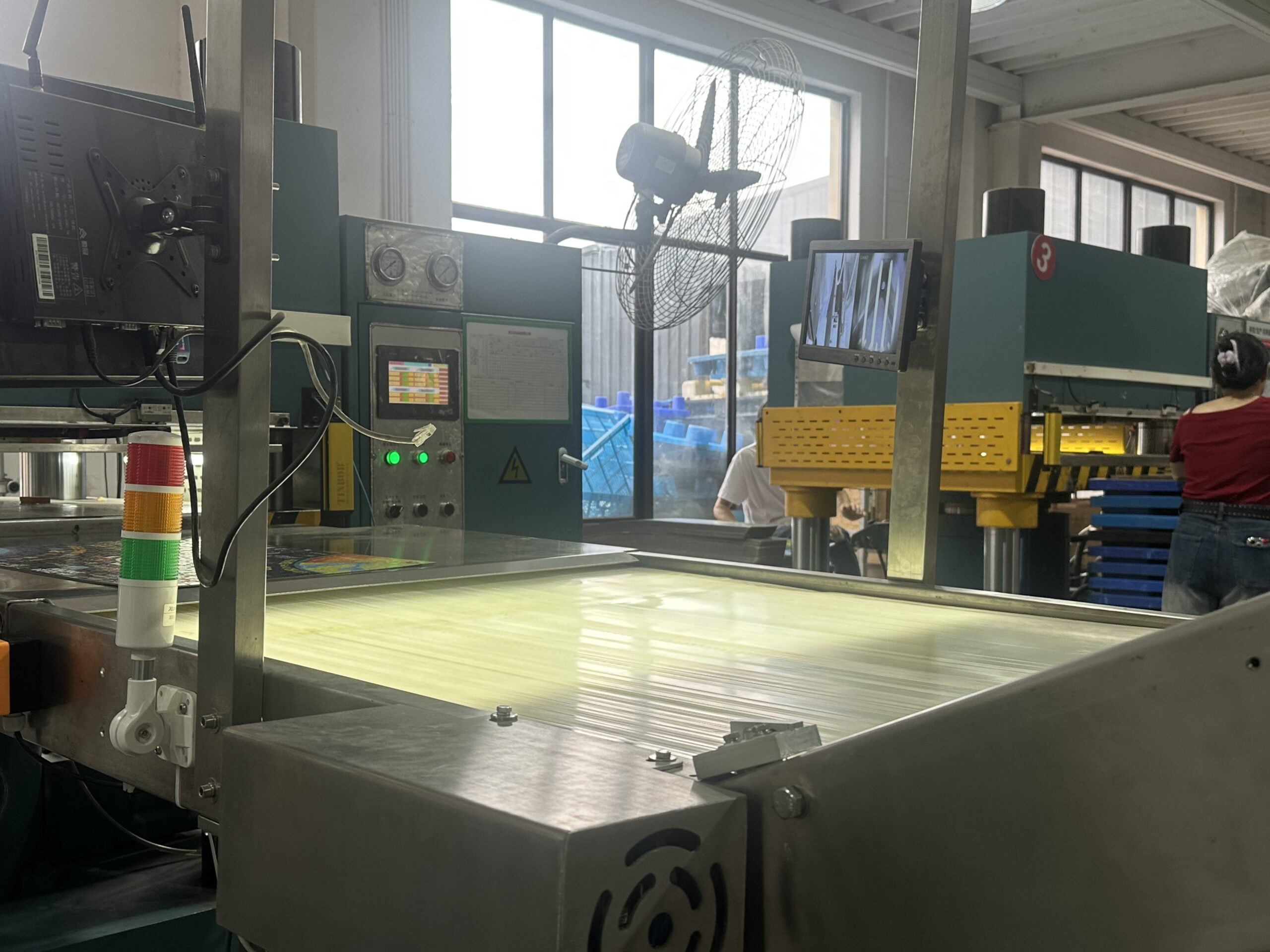
2.3 Full-Automatic Bagging & Camera Visual Monitoring
Manual bag receiving in traditional production easily causes cross-batch piece mixing and incomplete piece collection, resulting in missing or extra pieces. We adopt a full-automatic bagging and transmission system to eliminate manual intervention errors completely. Equipped with real-time camera visual monitoring at the scattering inlet, the system allows operators to clearly observe the entire piece falling process. The equipment only transmits and starts scattering the next puzzle batch after confirming all pieces of the previous batch have completely fallen into the bag. This strict sequential operation thoroughly prevents residual pieces from the previous batch mixing into the next bag, achieving zero cross-contamination and 100% full-piece bagging for each set of adult puzzles.
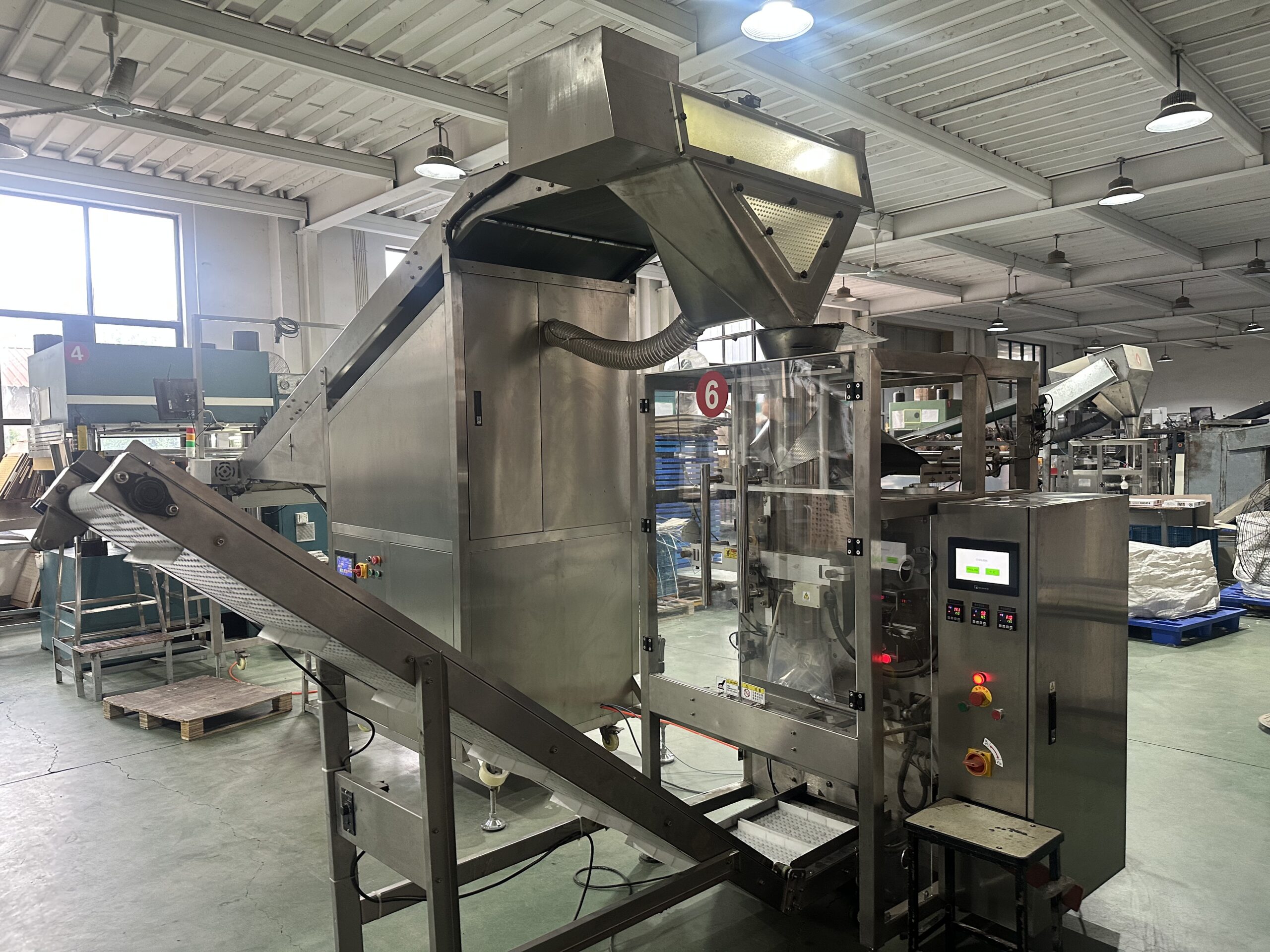
2.4 Fixed-Frequency Sealing Sampling Inspection
Given the tiny size of adult puzzle pieces, even micro holes or imperfect sealing gaps on packaging bags can lead to piece leakage and quantity deviations. To control packaging risks, the quality department of the factory implements standardized fixed-frequency sampling inspection for all automatically sealed bags. Sampling standards are commonly used to monitor sealing quality during production, like one inspection per 200 bags to timely detect poor sealing, tiny bag holes, edge gaps, and weak heat-sealing defects. Once abnormal packaging is found, all related products are immediately isolated and quarantined, limiting defective batches to the minimum scope. Combined with terminal precision weight detection, we build a double barrier against sealing-induced missing and extra piece problems.
Key Takeaways
- Missing pieces can occur during die-cutting, handling, packaging, or sealing.
- Children’s puzzles and adult puzzles require different quality control methods.
- Weight inspection is often effective for low-piece-count puzzles but may be insufficient for high-piece-count puzzles.
- Packaging integrity is as important as piece counting in preventing missing pieces.
- Evaluating a manufacturer’s quality control system is an important step when choosing a puzzle supplier.
Conclusion
Missing-piece issues are among the most common quality challenges in puzzle manufacturing. Because these problems can originate from multiple stages of production, effective control depends on a combination of stable processes, suitable equipment, and consistent quality management throughout the manufacturing workflow.
For brands, retailers, distributors, and publishers, evaluating a supplier’s quality control capabilities is just as important as comparing pricing or lead times. Understanding how a manufacturer manages piece quantity control can help reduce after-sales issues and support long-term product quality.
With 18 years of experience in paper puzzle manufacturing, Uli has developed dedicated production and quality control procedures for both children’s puzzles and high-piece-count adult puzzles. Whether you are developing educational puzzles, retail puzzle collections, promotional puzzles, or publishing projects, our custom puzzle manufacturing capabilities can support a wide range of requirements. Browse our jigsaw puzzle page for product inspiration and customization options, or contact our team to discuss specifications, sampling, and production solutions for your next project.
FAQ
Why do puzzles sometimes have missing or extra pieces?
This usually happens during die-cutting, piece collection, or packing. Without stable production control, pieces may be mixed, lost, or packed incorrectly during mass production.
Are high-piece-count puzzles more difficult to control?
Yes. Adult puzzles with 500, 1000, 1500, or more pieces are generally more challenging to control than low-piece-count puzzles. The large number of small pieces increases the risk of piece loss, cross-batch mixing, and packaging errors during production. As a result, manufacturers often implement additional monitoring, handling, and packaging controls for high-piece-count puzzles.
Can humidity affect puzzle piece quantity control?
Yes. Paperboard absorbs moisture from the environment, which can cause slight weight variations between batches. This is one reason why weight inspection alone is often insufficient for high-piece-count adult puzzles. Manufacturers usually combine multiple quality control methods, including visual inspection, piece detection systems, and packaging verification.
What quality control procedures are most important in puzzle manufacturing?
Key quality control procedures often include die-cutting inspection, piece quantity verification, packaging inspection, sealing checks, and final shipment audits. Together, these measures help reduce the risk of missing or extra pieces reaching customers.
Is it possible to completely eliminate missing puzzle pieces?
While no manufacturing process can guarantee absolute zero defects, well-designed quality control systems can significantly reduce the likelihood of missing or extra pieces. Continuous monitoring and process improvement remain important for maintaining consistent product quality.
How can brands reduce the risk of customer complaints about missing pieces?
Brands can reduce missing-piece complaints by selecting manufacturers with established quality control procedures, including die-cutting inspection, piece monitoring, packaging verification, and sealing checks. Consistent production management helps reduce defective products, minimize returns, and protect brand reputation in the market.
What questions should I ask before choosing a custom puzzle manufacturer?
Before placing an order, buyers should ask about quality control procedures, missing-piece prevention methods, packaging options, production capacity, lead times, and previous experience with similar puzzle projects.
Can your factory support custom puzzle production for brands and retailers?
Yes. We provide customized paper puzzle manufacturing for brands, distributors, retailers, and promotional projects, with dedicated production and quality control procedures for different puzzle categories.
How can I get a quotation for custom puzzles?
You can contact us with your puzzle size, piece count, box style. Our team can provide production recommendations and quotation support based on your project needs.