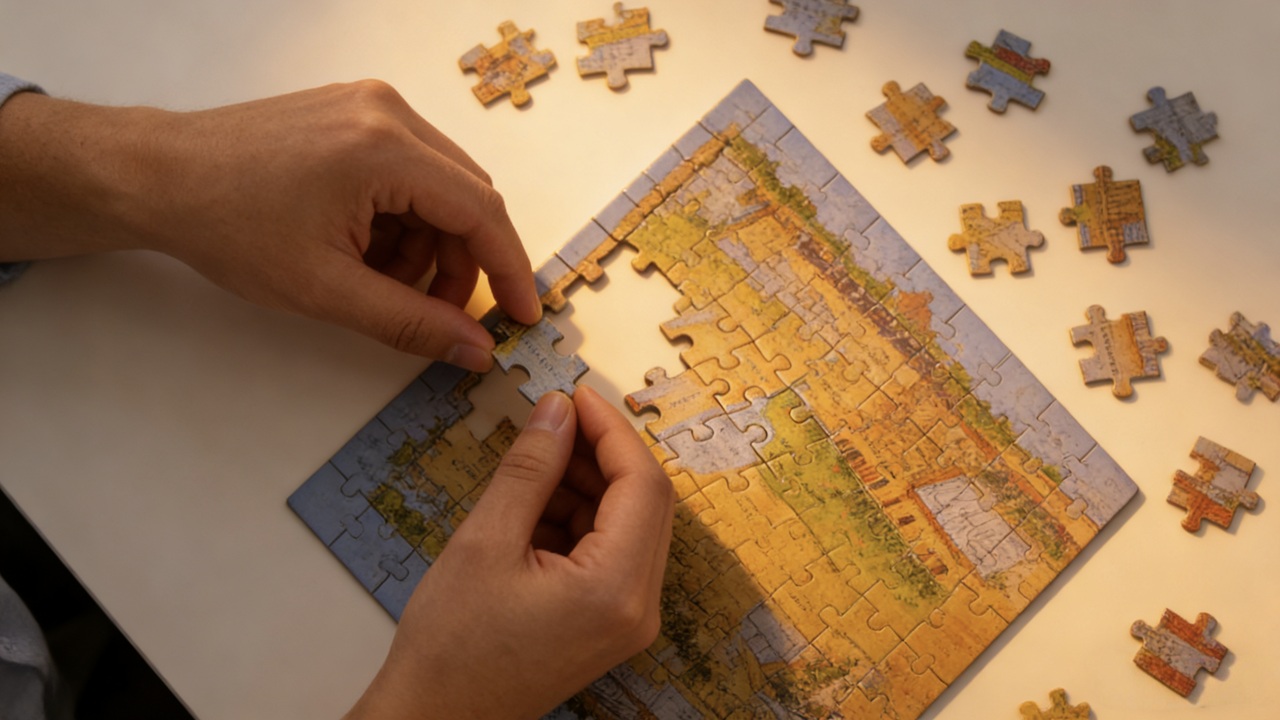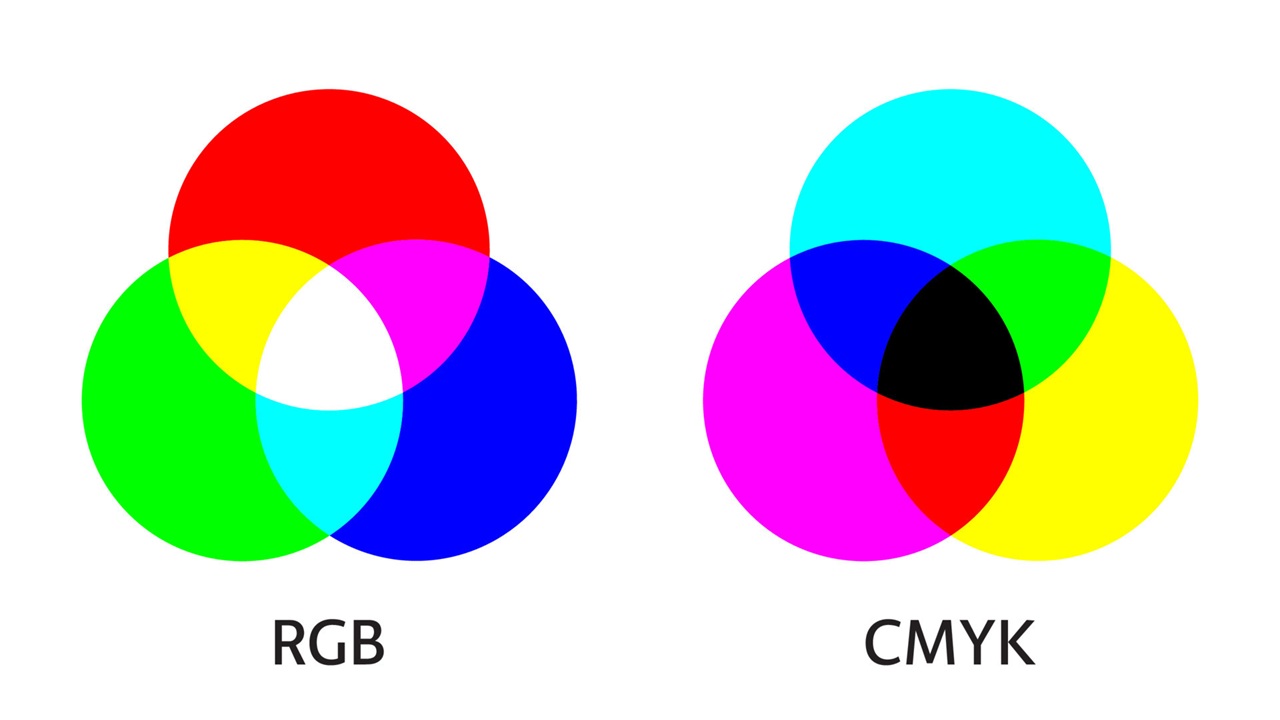
There are two main printing methods in paper product manufacturing: digital inkjet printing and offset printing. When it comes to pre-production proofing, these two methods form the foundation of how your prototype will look — and how the final product will perform.
What Is Digital inkjet printing?
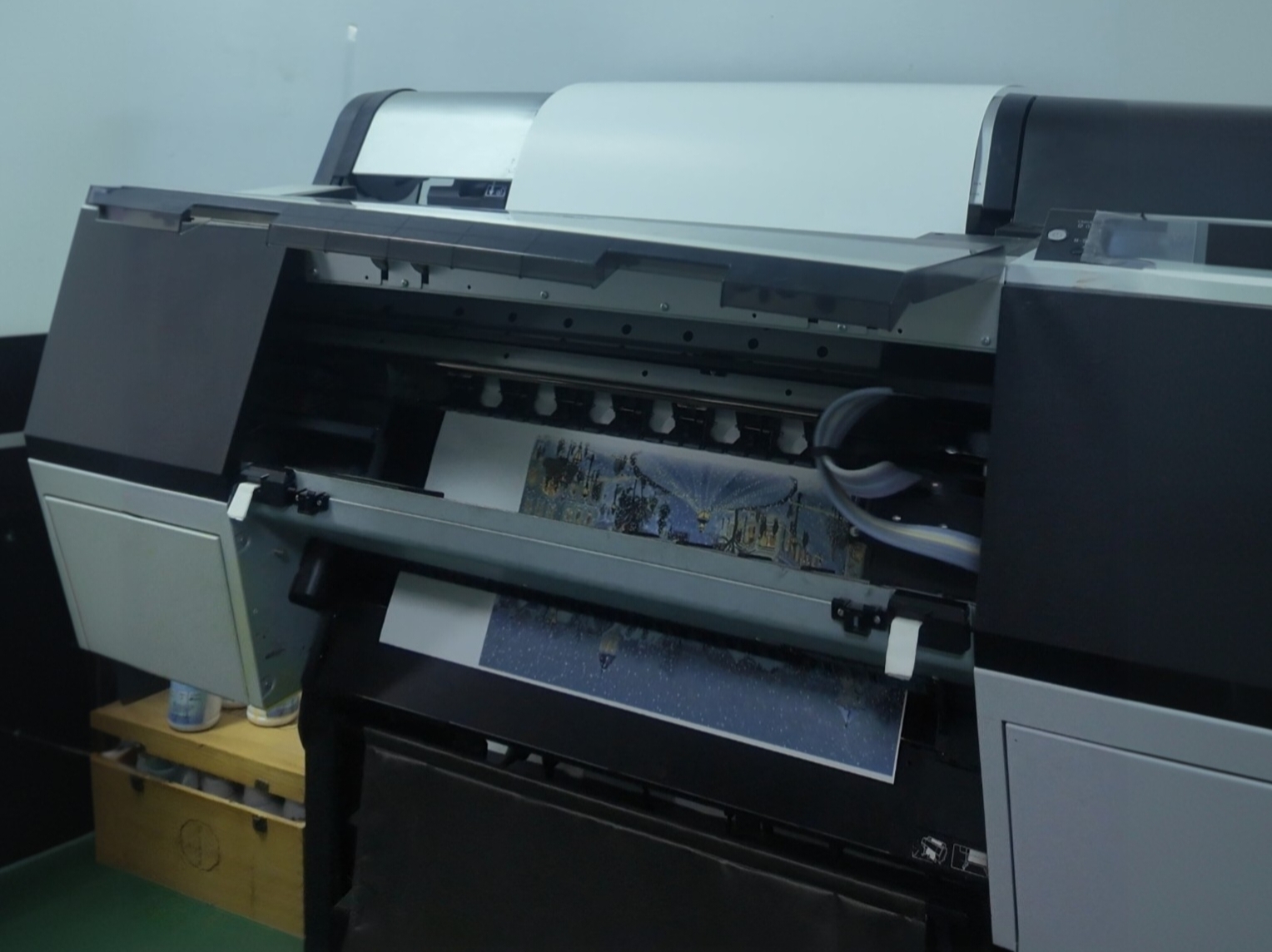
It sprays ink directly onto paper via inkjet nozzles. No printing plates are needed. Ink is applied to the surface in one pass, producing bright, delicate color gradients and sharp fine details. For proofing, this means ultra-fast turnaround. For production, it’s an excellent choice for small-batch, custom orders such as puzzles, card games, board game components, notebooks, or specialty packaging.
What Is Offset Printing?
It relies on four base inks (cyan, magenta, yellow, black / CMYK) layered and overprinted through printing plates. Colors blend by overlapping ink dots. This process delivers uniform, stable color performance. For proofing, offset delivers the closest possible match to final production. For manufacturing, it’s ideal for large-volume paper product orders.
In short: Digital printing applies ink directly for soft, smooth color transitions. Offset printing builds colors through layered CMYK dots, delivering consistent, solid colors ideal for large-scale production.
Why Proofing Matters?
In the early stages of developing a new paper product — whether it’s a board game, jigsaw puzzle, children’s book, deck of cards, or custom stationery — seeing a physical prototype is essential. That’s where pre-production proofing comes in. It’s the critical first step that determines your final product’s quality.
Two mainstream proofing methods dominate the industry: digital proofing and traditional offset proofing using large-format commercial presses. Each has its own strengths and limitations, suited to different project needs. Understanding the differences helps you avoid color shifts and surface defects in mass production.
Method 1: Digital Proofing — Fast and Efficient
Digital proofing is the most efficient and convenient short-cycle solution for paper products. The biggest advantage lies in its ultra-fast speed. It completely eliminates the tedious pre-production preparations required for offset printing, including CTP plate making, press setup, ink calibration, and equipment preheating. Design files can be directly imported into digital equipment for output, which greatly shortens the proofing cycle and is ideal for rapid sample confirmation and preliminary design checks.
However, digital proofing has noticeable technical limitations in color reproduction and surface finishing adaptability.
In terms of color accuracy, digital proofing typically achieves only 85-90% fidelity compared to final offset production. Some color shift is inevitable. In addition, digital proofing cannot produce Pantone spot colors, making it impossible to accurately reproduce high-saturation, exclusive spot color designs in your original artwork.
More importantly, the inkjet ink used in digital printing may chemically react with the adhesive of gloss and matte lamination films. This reaction can randomly cause bubbling, uneven lamination, and poor adhesion on the product surface. These issues are unpredictable and can introduce quality risks you won’t discover until mass production begins.
Method 2: Offset Proofing — Reliable and Consistent
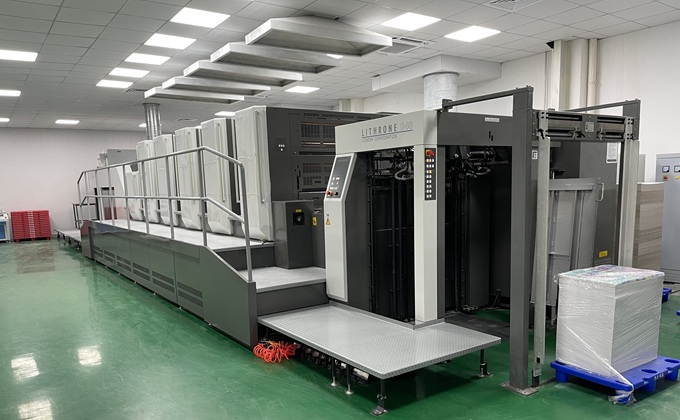
Offset proofing uses the same industrial presses as formal production — such as the Heidelberg CD102 and other 4-color, 5-color, and 6-color commercial offset printing machines.
This process follows the full production workflow: it starts by creating CTP plates, then produces color through precise layering of CMYK process inks. For high-standard designs with special color requirements, Pantone spot colors can be added for high-fidelity color reproduction. Unlike digital proofing, offset proofing forms rich, nuanced colors through accurate dot overlapping and ink transfer, matching the mass production process in every detail — from printing principle to ink type to workflow.
Offset proofing is the most reliable choice for projects where color precision is critical, such as high-end puzzles, collector card games, premium children’s books, and luxury paper packaging. Since the proofing process is fully aligned with mass production standards, it can accurately replicate various possible printing problems in formal production, such as color inconsistency, dot defects, ink unevenness, and lamination adaptation issues.
We strongly recommend offset proofing for clients who demand exact color accuracy, consistency, and flawless surface finish. It can effectively predict and eliminate potential quality issues in advance at the pre-production stage, ensuring a perfect match between the final mass-produced products and the confirmed samples.
Which One Should You Choose?
To summarize, both proofing methods have their place in paper product manufacturing.
Digital proofing works best when speed and cost are priorities — perfect for early design stages, quick sample checks, and projects where precise color matching isn’t critical.
Offset proofing, with its unmatched color fidelity and production consistency, is the standard choice for premium custom paper products.
Choosing the right proofing method based on your specific needs is how we balance speed, cost, and finished product quality — and help you get exactly what you envisioned.
We’re a paper product manufacturer working with brands on puzzles, board games, children’s books, card games, stationery, and custom packaging. We’re here to guide you through every step — from prototype to mass production. Contact us to discuss your next project.
FAQ
How long does offset proofing take compared to digital proofing?
Digital proofing can be done in 7 days. Offset proofing typically takes 10 business days due to plate making.
What’s the difference in cost between digital and offset proofing?
Digital proofing is faster and cheaper. Offset proofing will incur an additional plate fee. Take the puzzle product as an example. If you need the puzzle + the box + the poster, then an additional three board fees will be required. Our regular digital proofing for a set of puzzles costs $90, while offset proofing would require at least $300. Therefore, offset proofing is generally for the preparation of orders with a large volume.
Can you match a specific Pantone color for my brand?
Yes, with offset printing we can match exact Pantone colors using spot color printing. For digital printing, we’ll get as close as the process allows. If brand color accuracy is critical, you can choose offset proofing.
What file formats do you accept for printing?
We prefer PDF of AI files with at least 300 DPI resolution. If you are unsure whether your file is print-ready? Send it over and our team will help check it.
What’s your color matching process for repeat orders?
We keep detailed ink formulas and press settings on file for every offset job. When you reorder, our press team references those records.
How do I get a quote?
Simple! Email us your specs or fill out our inquiry form. Let us know what you’re making, the quantity, specification, material preferences, and finishing needs. We’ll get back to you with a detailed quote, usually within 1-2 business days.